
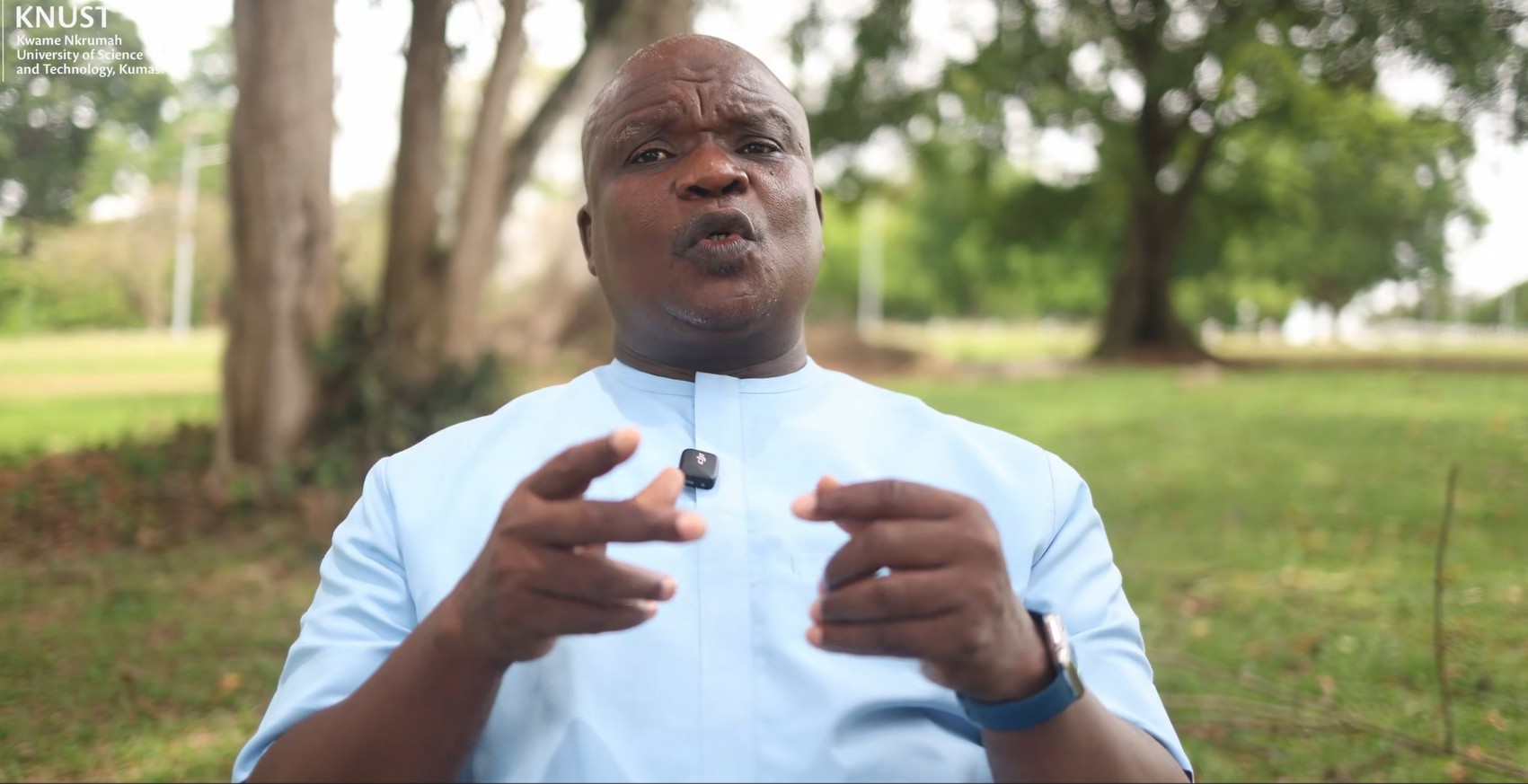
Intra-Muslim conflicts in Ghana are driven less by purely religious differences and more by ethnic, political and generational exclusion, with government bias and local power struggles playing a decisive role in escalating violence, according to a study published in Islamic Africa.
The research, led by Prof. Yunus Dumbe of the Department of Religion and Human Development finds that tensions between Salafi and Tijaniyya groups, particularly in the 1990s, were often rooted in competition over leadership, identity and access to resources within Zongo communities, rather than doctrinal disagreements alone.
Using case studies from Wenchi, Techiman, Kumasi and other towns, the study shows how religious divisions became intertwined with ethnic rivalries, especially between Hausa migrants and indigenous groups such as Banda and Dyula and were further inflamed by political interests and perceived state favoritism.
In Wenchi, for example, rising Salafi influence among young Hausa Muslims was interpreted by established Tijaniyya leaders as an attempt to undermine existing authority structures. This triggered a cycle of hostility that escalated into violence, including attacks on homes, mosques and individuals.
The study highlights that while Salafi groups were often portrayed as the primary instigators, both factions were deeply implicated in the violence. In many instances, Tijaniyya leaders, emboldened by perceived government support, resorted to physical attacks and mobilised youth against Salafi communities.
Government intervention, rather than neutralising tensions, sometimes worsened the situation. Authorities were seen to favour Tijaniyya leadership structures, a move that intensified Salafi grievances and contributed to further polarisation.
“While many Salafi activists challenged the status quo, Tijaniyya leaders… were more likely to take resort to physical violence,” the study notes, challenging widely held perceptions of sectarian dynamics.
The research further reveals that migration, education and economic mobility played critical roles. Young Salafi adherents who studied abroad or built business networks often returned with new religious ideas and social influence, reshaping local religious landscapes and intensifying generational divides.
Ultimately, the study concludes that religious identity in Ghana cannot be understood in isolation. Instead, it is shaped by a complex interplay of social, political and economic forces.
“Learning to be Muslim,” Prof. Dumbe argues, “is a process shaped by a multiplicity of social and political processes,” where debates over religious practice are deeply linked to struggles over power, identity and belonging.
“Instead of looking at the surface and claiming that its religious, there might be political undertones, ethnic exclusion, generational dynamics and even economics,” he pointed out.
| Story: Emmanuel Kwasi Debrah |


